Mimic 2025 Year in Review
In 2025, we had a single north star - what onchain programmability looks like for real builders?
Writing Solidity, deploying smart contracts, handling upgrades, or maintaining infrastructure slows teams down and increases risks. During Devcon 7, we realised how big a challenge it is for builders. This sparked an idea for Mimic Protocol, and what was an idea at the end of 2024 became reality over the course of 2025.
With the release of our Whitepaper in January, we went heads down and started shipping:
- Implemented core components for the Mimic Protocol: settler, validators, smart account generation
- Deployed the protocol to Arbitrum, Base, Ethereum, Gnosis, Optimism, Sonic, and Base Sepolia for testnet use
- Solana implementation is underway, very close to production
- We worked on supporting crosschain integration
- Validators went live
- Added new intent properties, support for event-triggered tasks, Subgraph queries, and more
2) Real-World Usage
We did not only focus on delivering the infrastructure layer. With a large customer base, we began exploring areas where Mimic Protocol can actually improve existing processes and which use cases we can finally deliver (and not spend months coding).
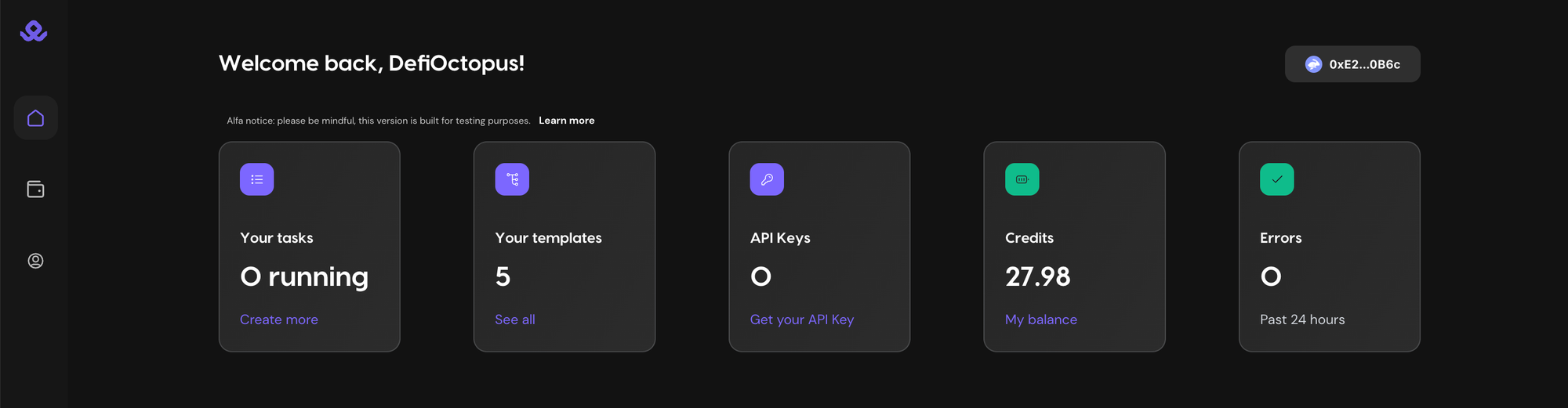
- Automated multiple internal client workflows using Mimic Protocol
- Expanded the Mimic Fee Collector to Solana, Unichain, and Sonic
- Launched an alpha and beta versions of the protocol
- TokenLogic used a Mimic task to collect and distribute fees from the Aave Protocol to the DAO and treasury
- Launched an automated vault demo on Lagoon Finance using Mimic tasks
3) Developer Experience
We want to meet builders where they are, and we know they want programmable and composable systems that they can plug into existing stacks, so we have been improving the Mimic Protocol, having dev experience on top of mind:
- Dev-friendly SDK
- Improved task-writing experience
- Added event-triggered tasks, ABI decoding, subgraph queries
- Expanded intent properties for more complex workflows
- Updated explorer UX, onboarding flows
- Improved the docs and added extensive examples on GitHub
- Added Safe compatibility + EIP-7702 support
- Upgraded our infra for zero-downtime deployments
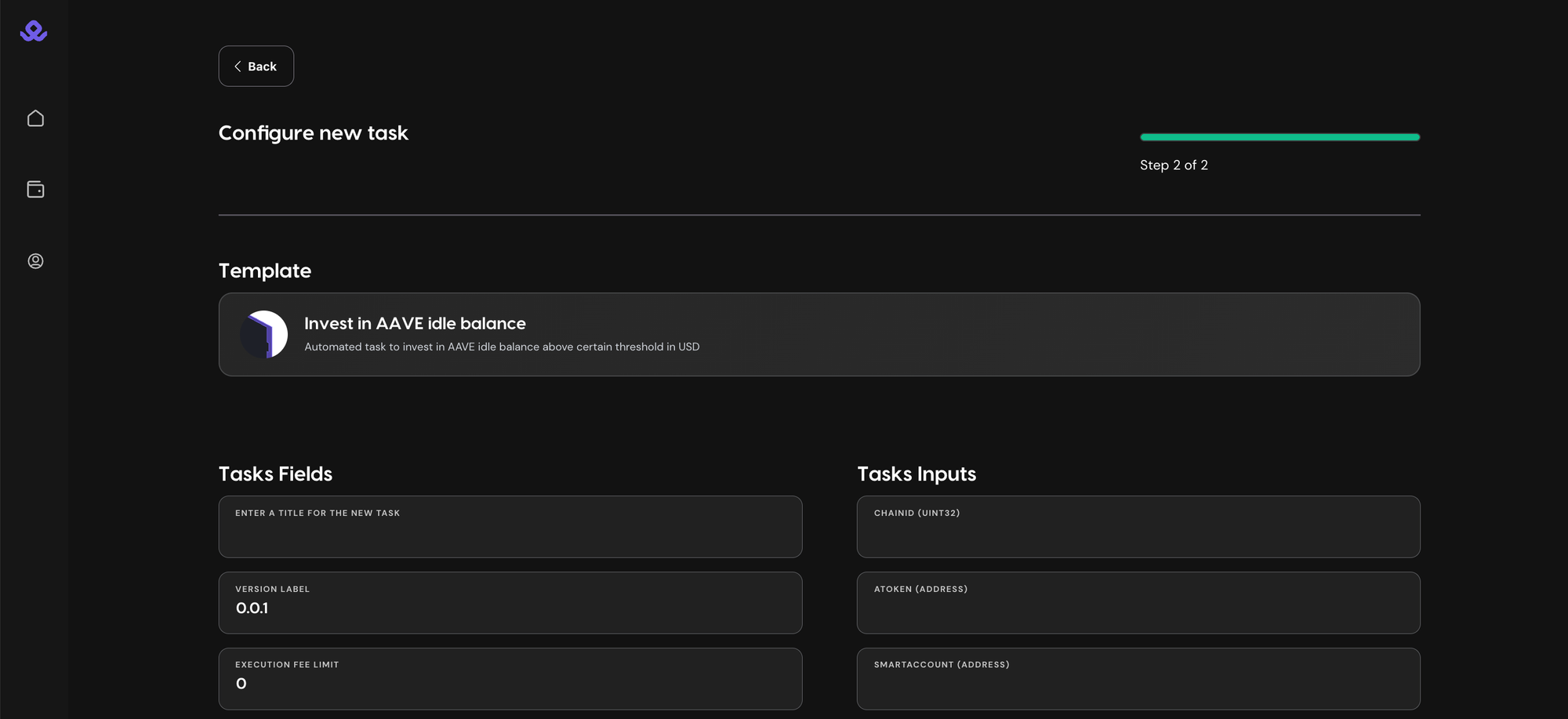
- You can now run a task to test it before production
4) Community
Throughout the year, we've been connecting IRL as much as possible with devs and builders to learn how they think, what they need, and how we can help them in their journey.
- Mini-hackathon at Aleph Hub
- Technical workshops (online and offline)
- Panels, mentoring, and coworking days across Argentina 🇦🇷
- Builder-focused side events at Devconnect (Builders Brunch, DevNVibe)
- Content designed to educate (scripts vs Mimic, protocol guides, use cases)
- We created a Telegram channel for dev support and hackathon support
5) Key Events
- Introduced Mimic Protocol at ETH Denver
- We soft launched the Protocol at EthCC Cannes with our own side event
- Heavy presence across Europe: ETH Zurich, Bratislava, Prague, Belgrade, Berlin Blockchain Week, ETH Warsaw
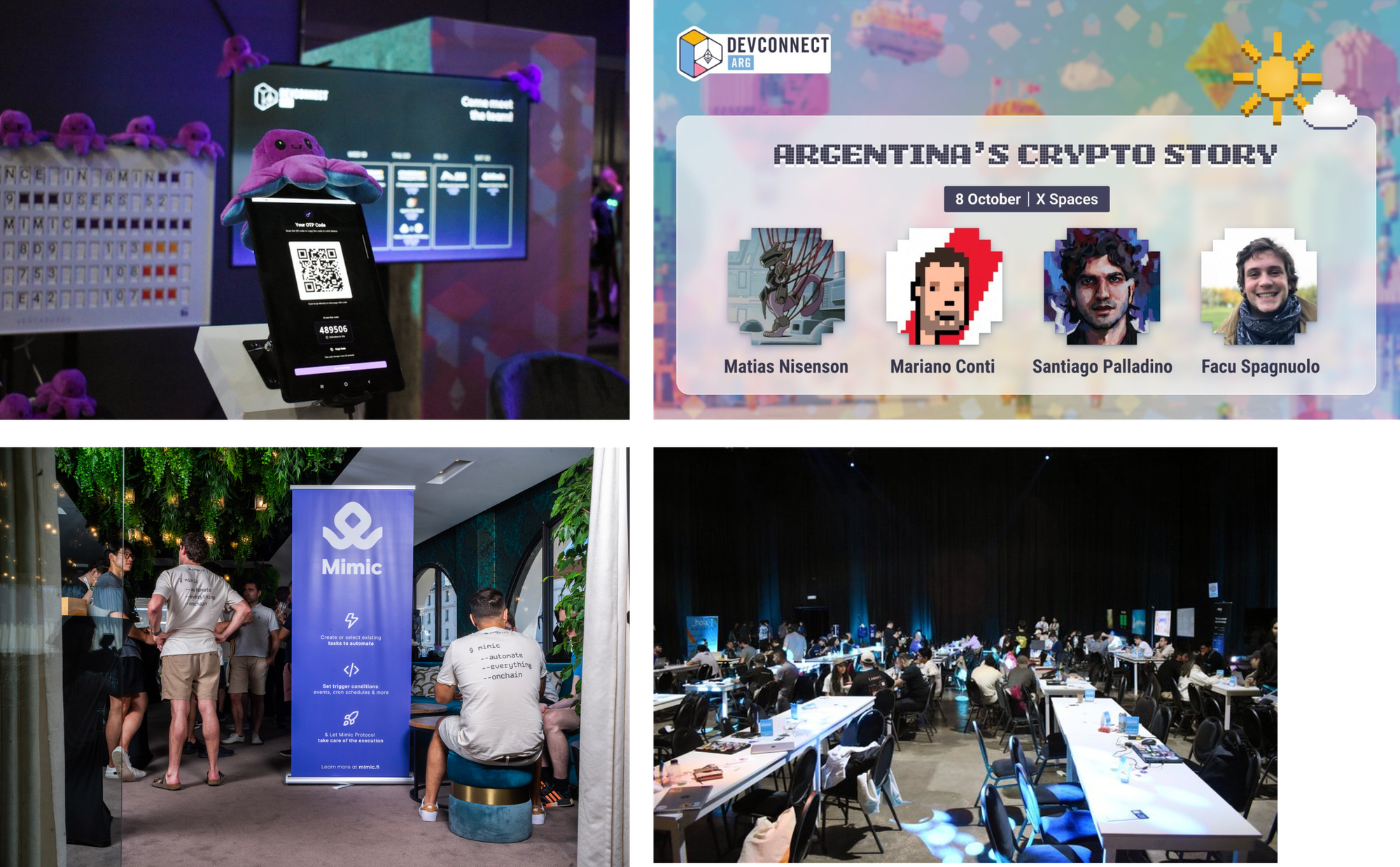
- Devconnect Buenos Aires: Ethereum World Fair, talks, workshops, hackathons, side events
- Ethereum featured Mimic on their official X, and the EF featured Mimic in their blog around Devconnect
- Our CTO Facu participated in Argentina's crypto story livestream by the EF
2026 and beyond
We've spent the whole of 2025 in the builder mode. We don’t plan to stop; there are still many more features that need shipping, including external solvers, relayers, and oracles, a better dev experience, custom data as triggers, and more.
But since we have a workable product, the next few quarters are going to be key for growth and expansion of our dev community. We're entering the next phase of onchain programmability, with a production-ready SDK, deeper wallet and agent integrations, and helping builders abstract all the complexities of blockchain development.
Mimic abstracts away execution, gas, RPCs, and cross-chain complexity, so developers can focus on logic and product outcomes, making blockchain development faster, safer, and accessible without sacrificing power or composability.
2026 will be a year of growth and exploration of new use cases and integrations. We’re going to expand our Automated Vaults, and connect the Mimic Protocol directly with Web3 builders and those coming from Web2 wanting to learn blockchain development.
Let’s keep building!